
Understanding how long your windows are designed to last is genuinely helpful, as it influences everything from insulation and heating costs to the risk of damp, mould and general deterioration.
As an estimate, modern double-glazed windows tend to last 20–25 years, though this varies between styles and specifications. Elements such as the chosen material, installation quality, weather resistance, product construction and level of upkeep all shape how long a window will remain effective.
Let’s explore this in more detail.
Key Factors That Determine Window Lifespan
Local climate: Without proper care, constant exposure to moisture, frost, rain and fluctuating temperatures can accelerate wear on timber frames and lower-grade UPVC units.
Sun exposure: South-facing windows made from cheaper UPVC or timber may fade, distort, become brittle or suffer from seal failure after prolonged UV exposure.
Material standard: Windows built with reinforced profiles, premium coatings and advanced glazing systems have a much greater chance of delivering long-term performance.
Maintenance: Routine aftercare is crucial to keeping windows functioning and looking their best.
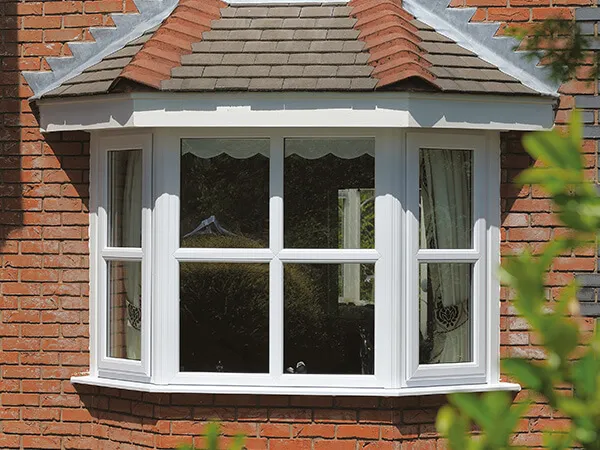
How Long Each Window Material Usually Lasts
UPVC: Modern UPVC windows typically achieve 20–35 years or more. Newer materials offer superior UV protection, reducing cracking and loss of strength.
Aluminium: High-performance, thermally broken aluminium windows generally reach 30–45 years. Maintenance is minimal with occasional cleaning and lubrication are usually all that’s required.
Timber: Quality timber can surpass every other option, lasting around 30 years, and regularly 50–60 years with good treatment and care. Hardwood options (oak, mahogany, teak) are especially durable and more resistant to moisture.
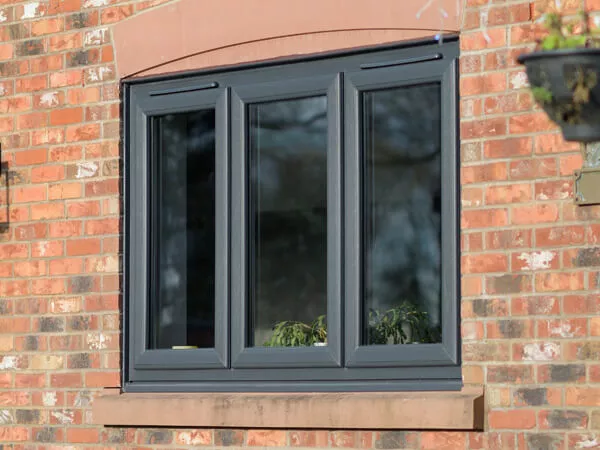
Spotting Replacement Signs & Window Lifespan
You may need to consider replacing your windows if you notice condensation inside sealed units, draughts, poor operation, frame dampness or mould, failed seals or rising heating bills.
To maximise lifespan:
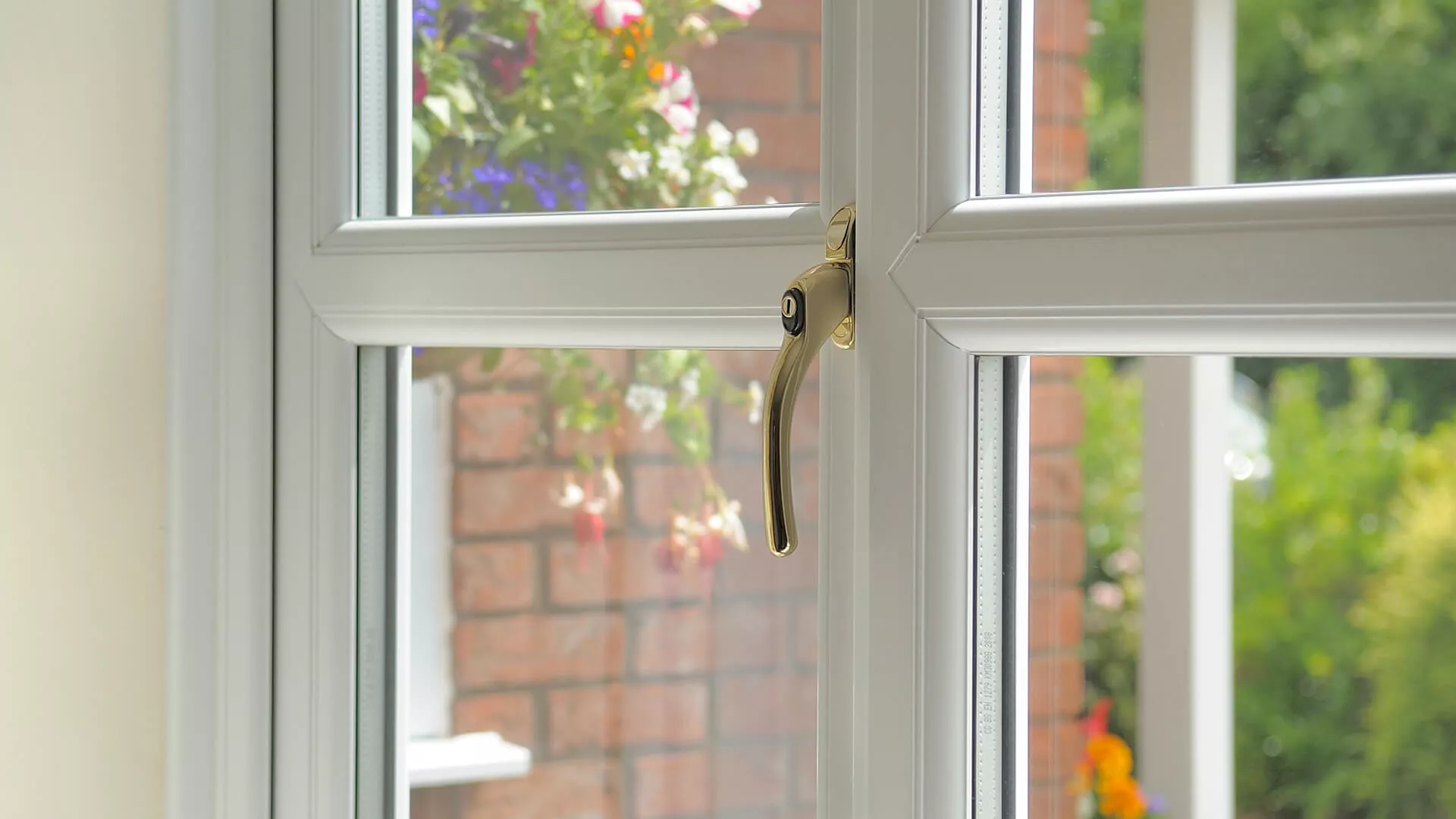
– Clean frames and glazing frequently
– Lubricate movement points
– Inspect seals and gaskets
– Keep drainage pathways clear
– Watch for moisture or mould
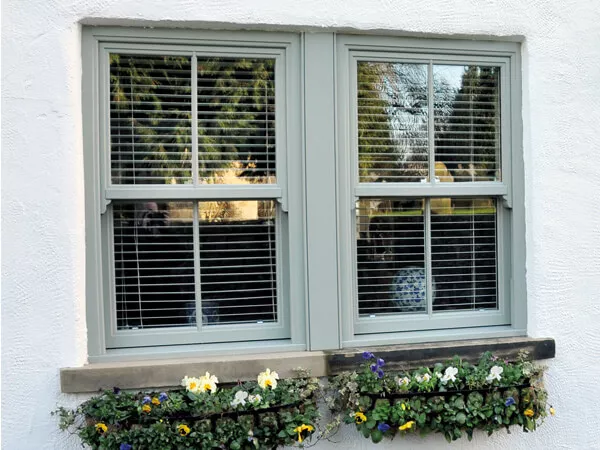
With this information, you should now have a clearer idea of when windows need replacing. If it’s nudged you towards updating yours, we’re only a call or website enquiry away.
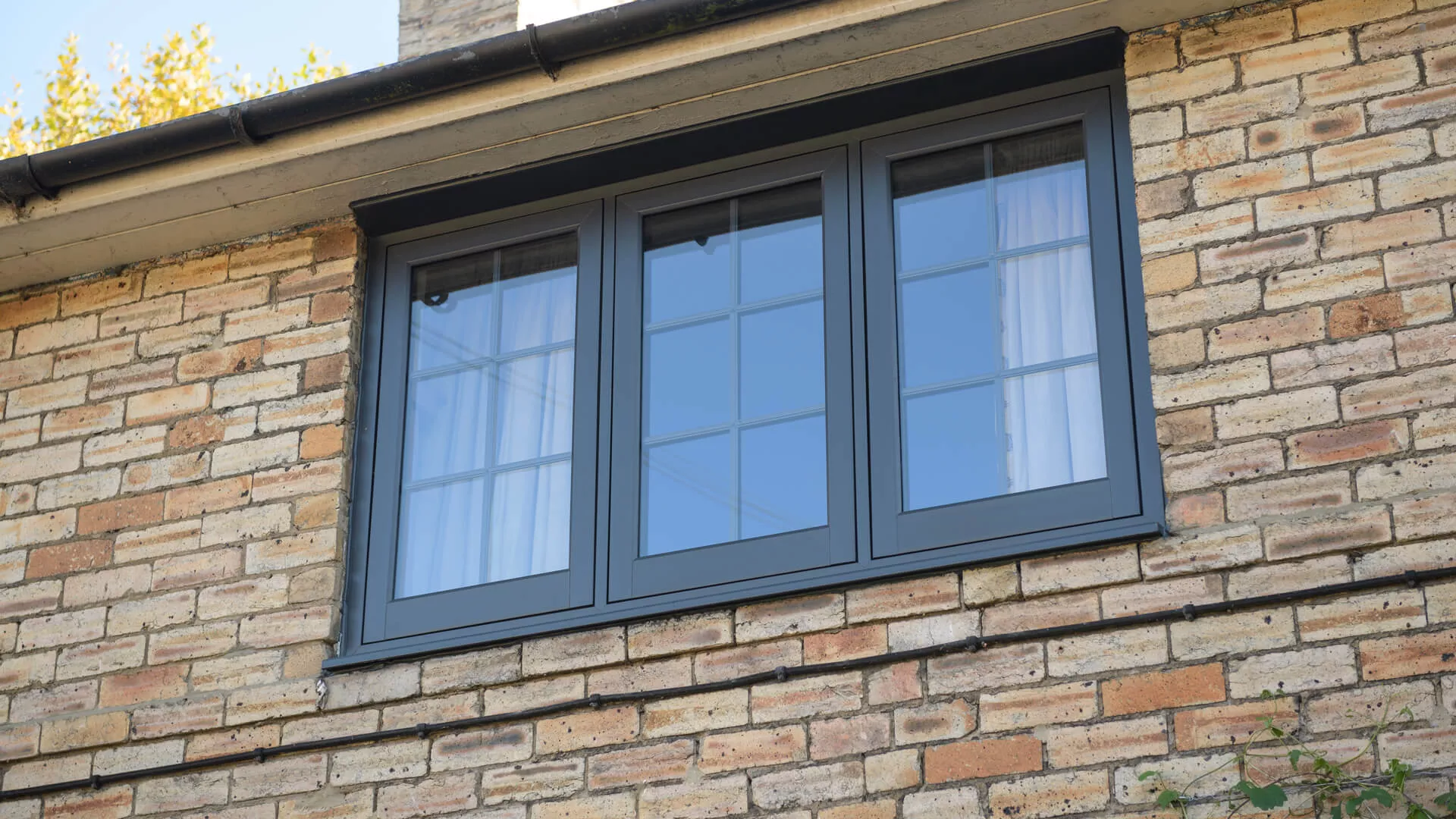
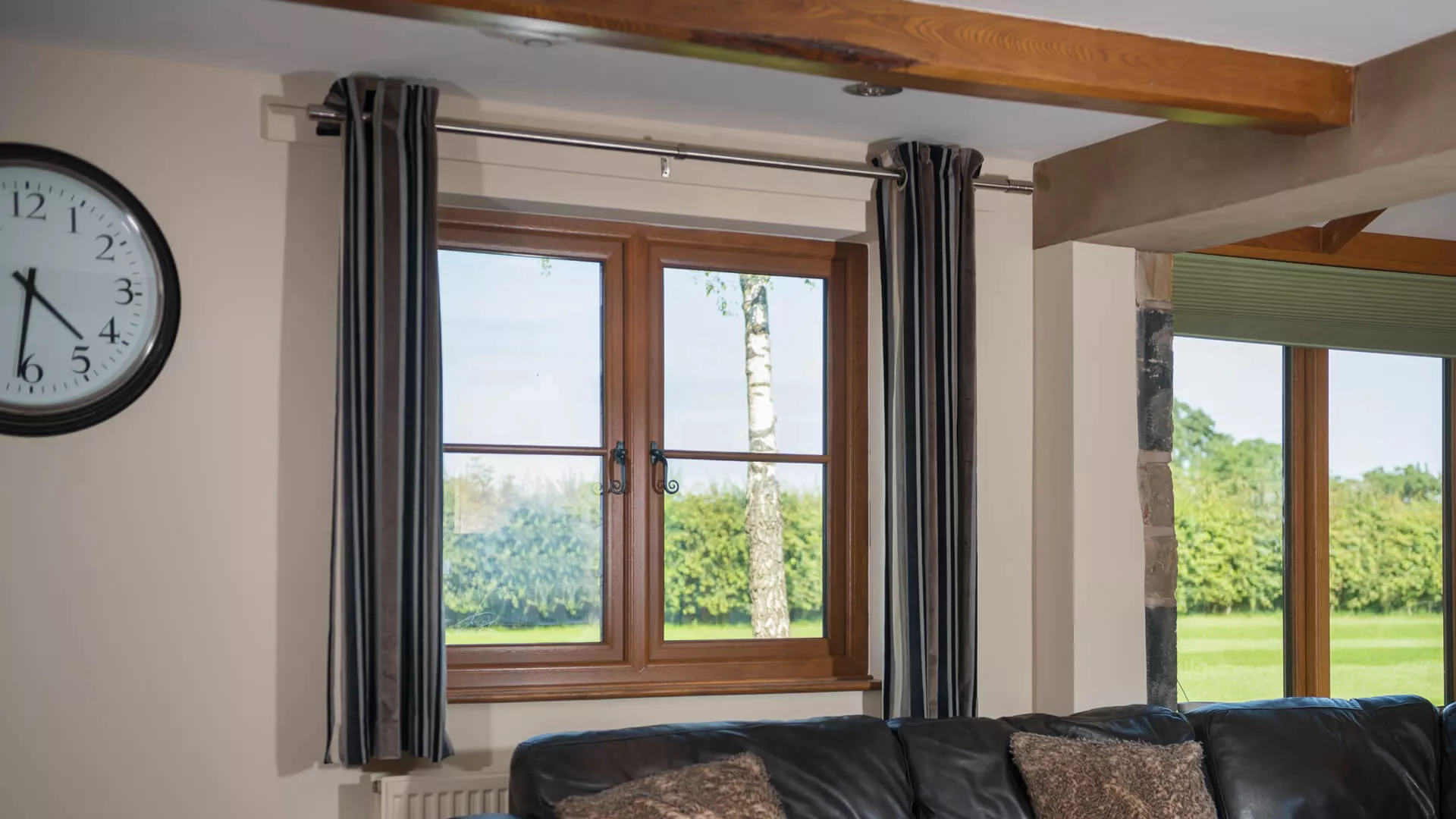
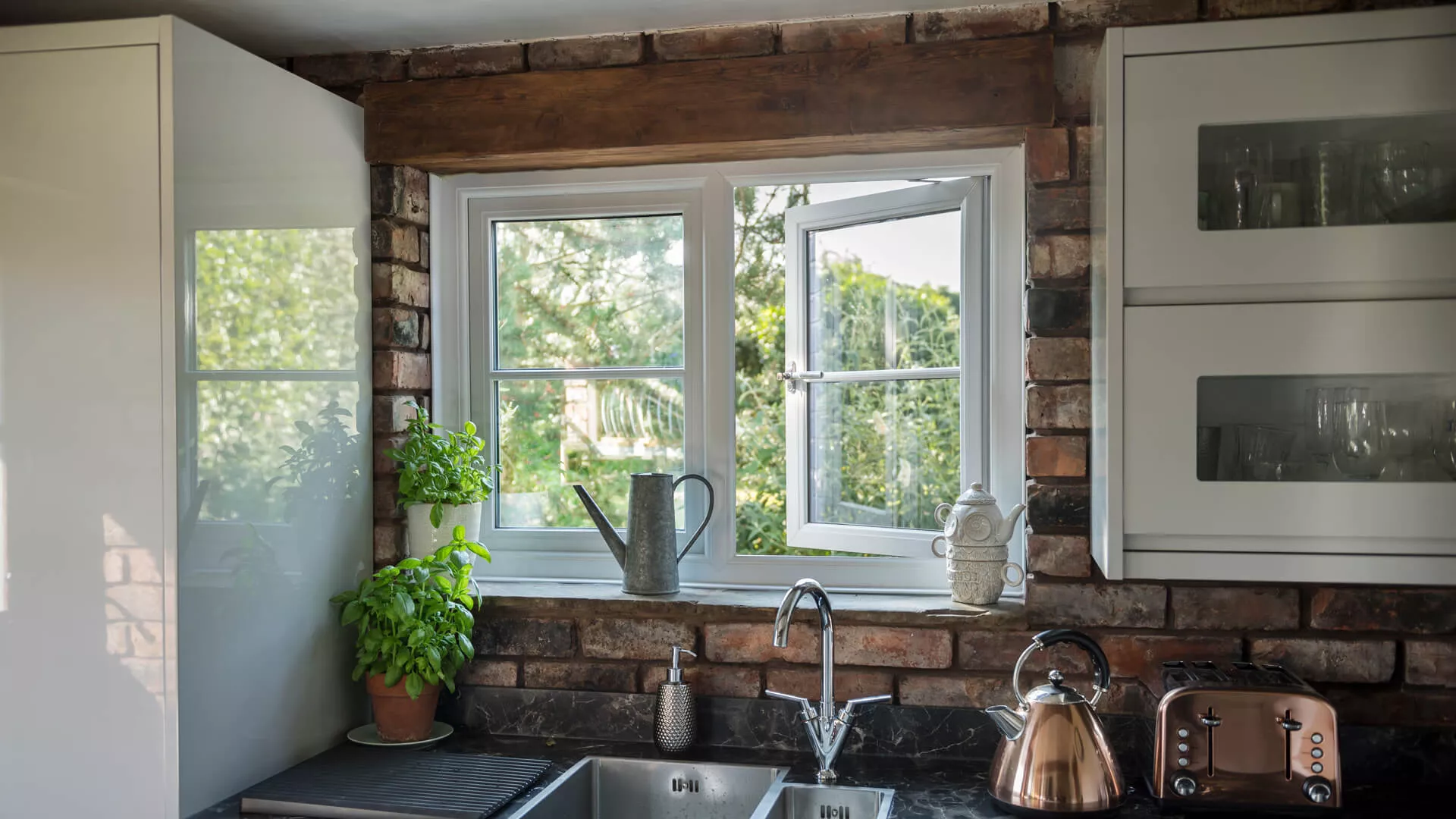
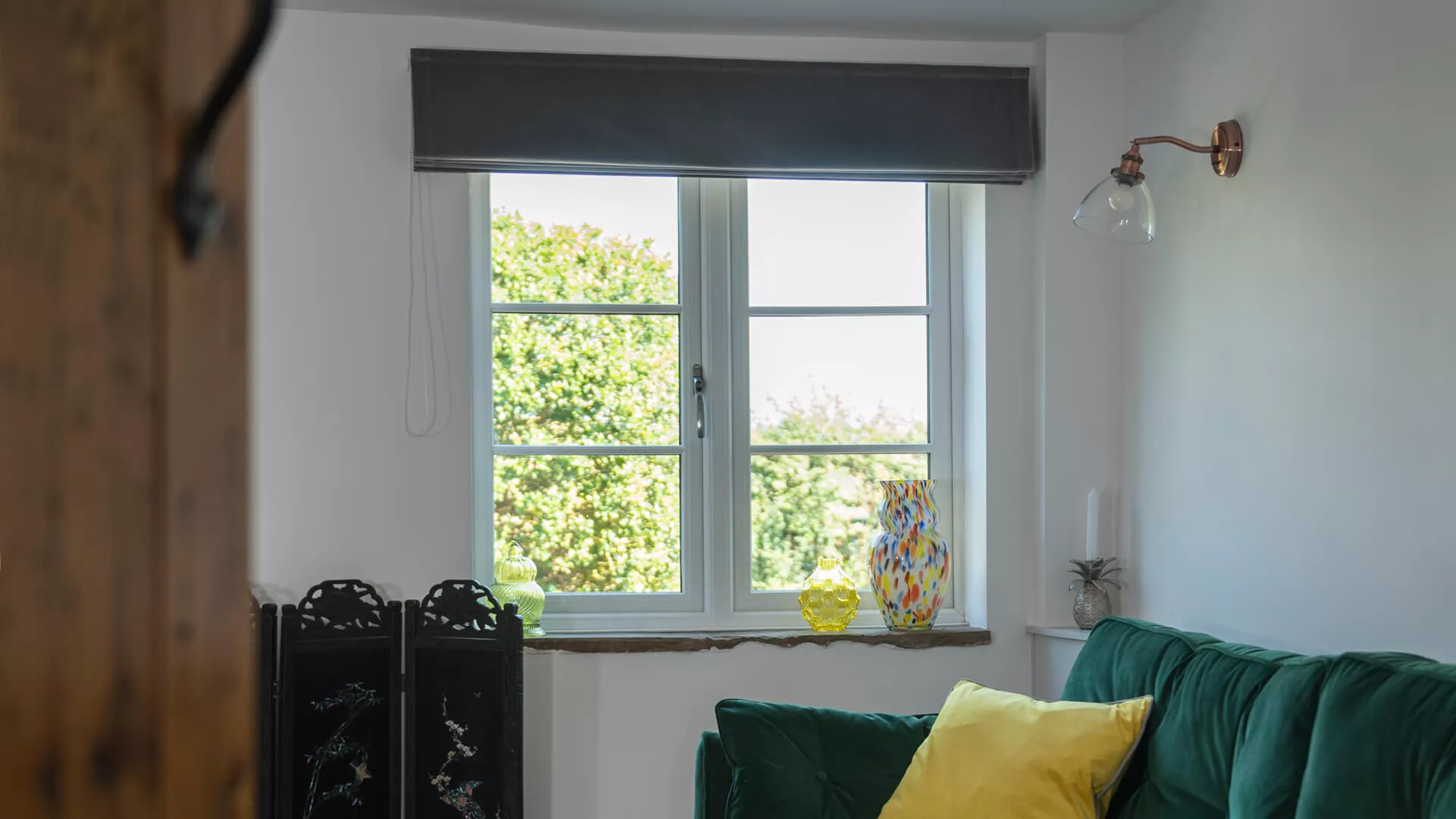
LOOKING TO REPLACE YOUR WINDOWS?
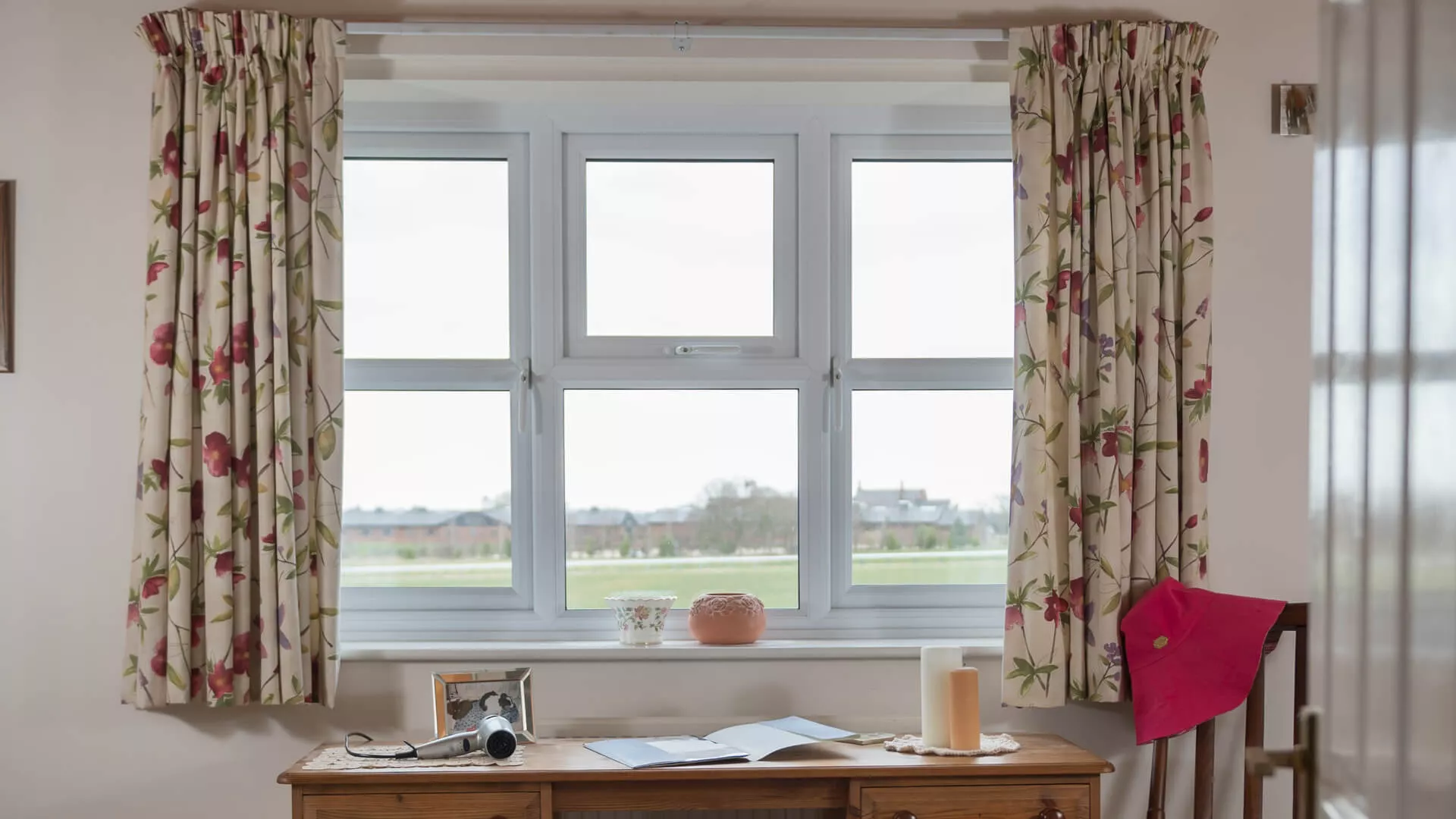
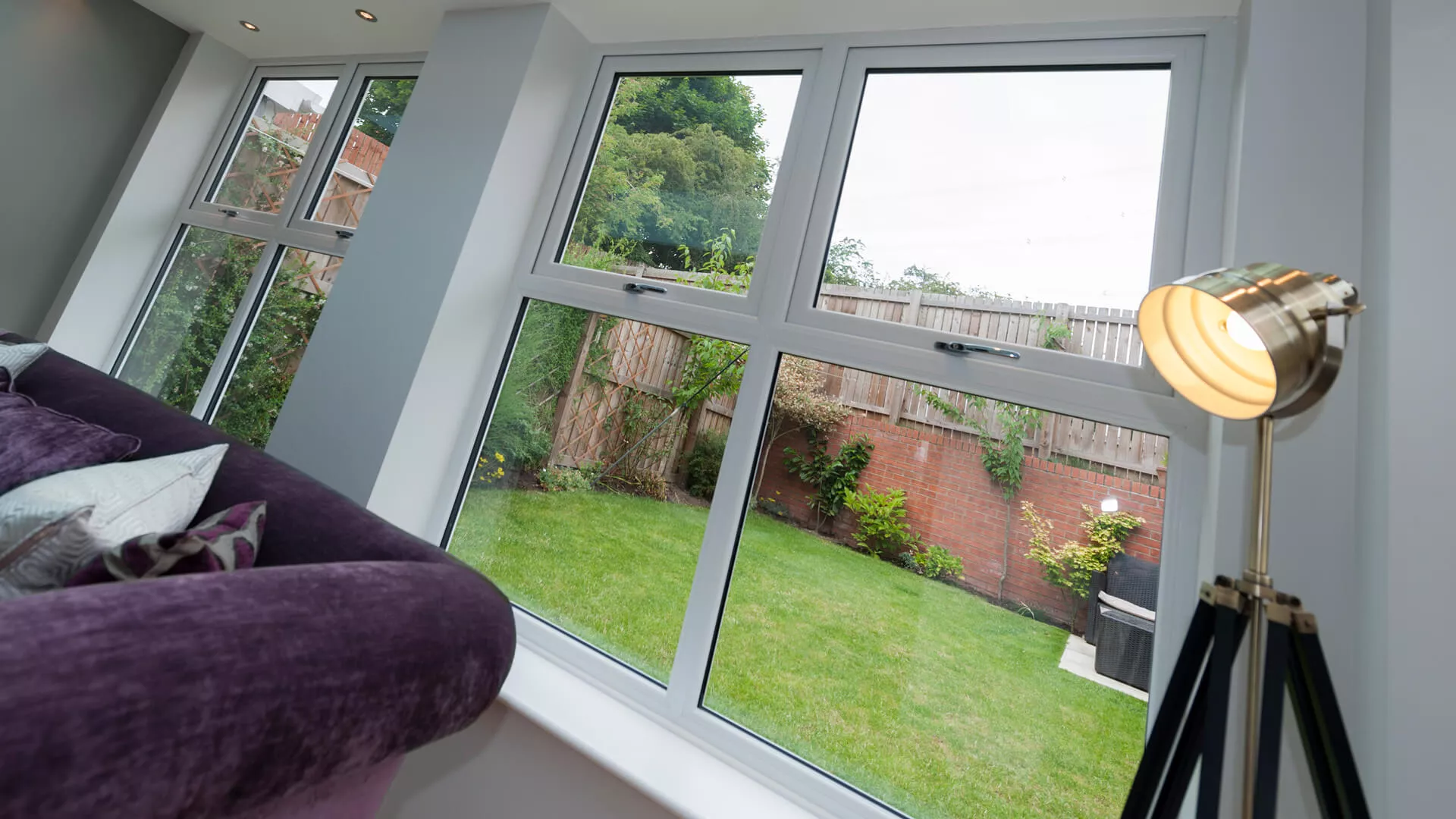
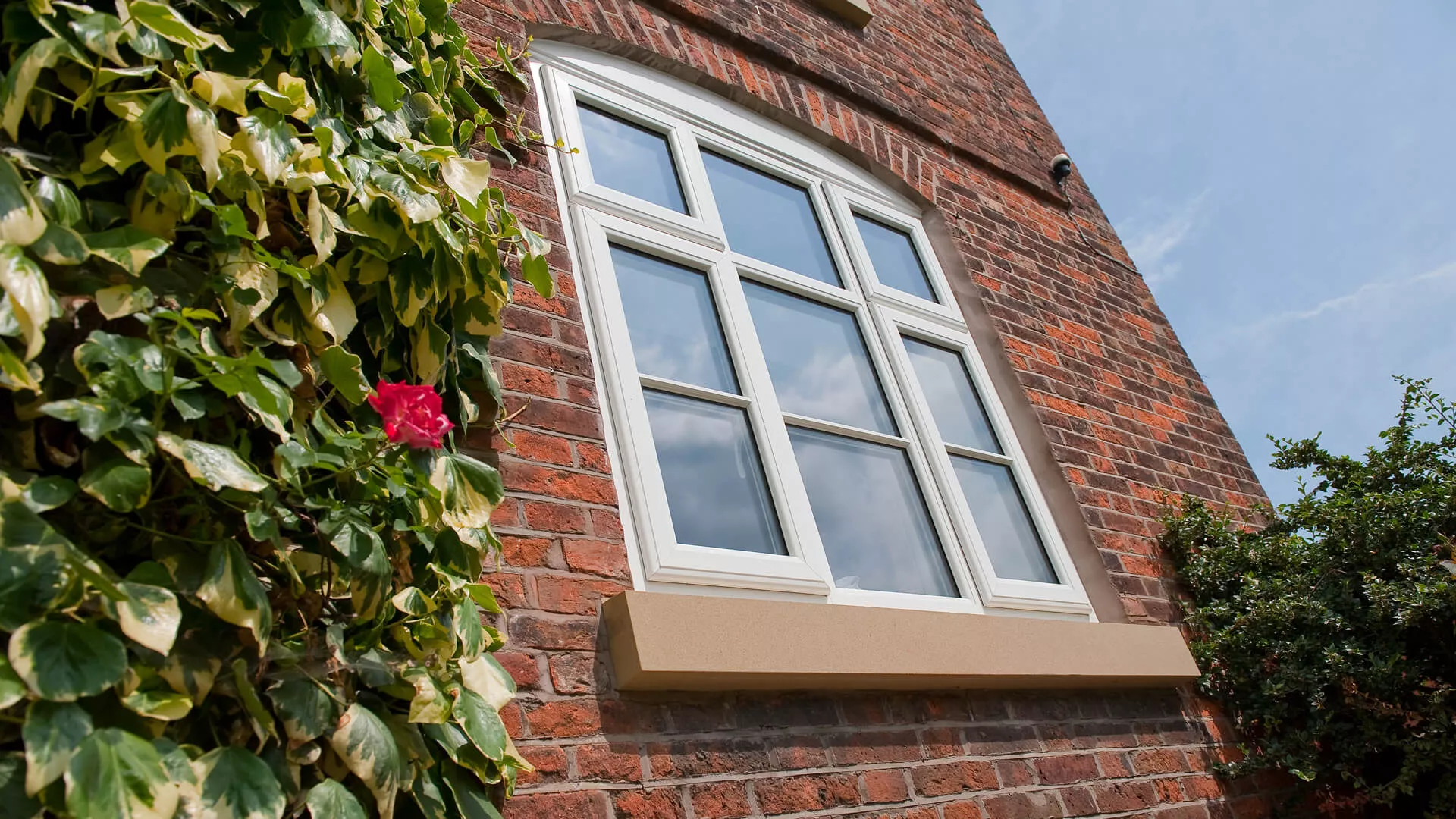
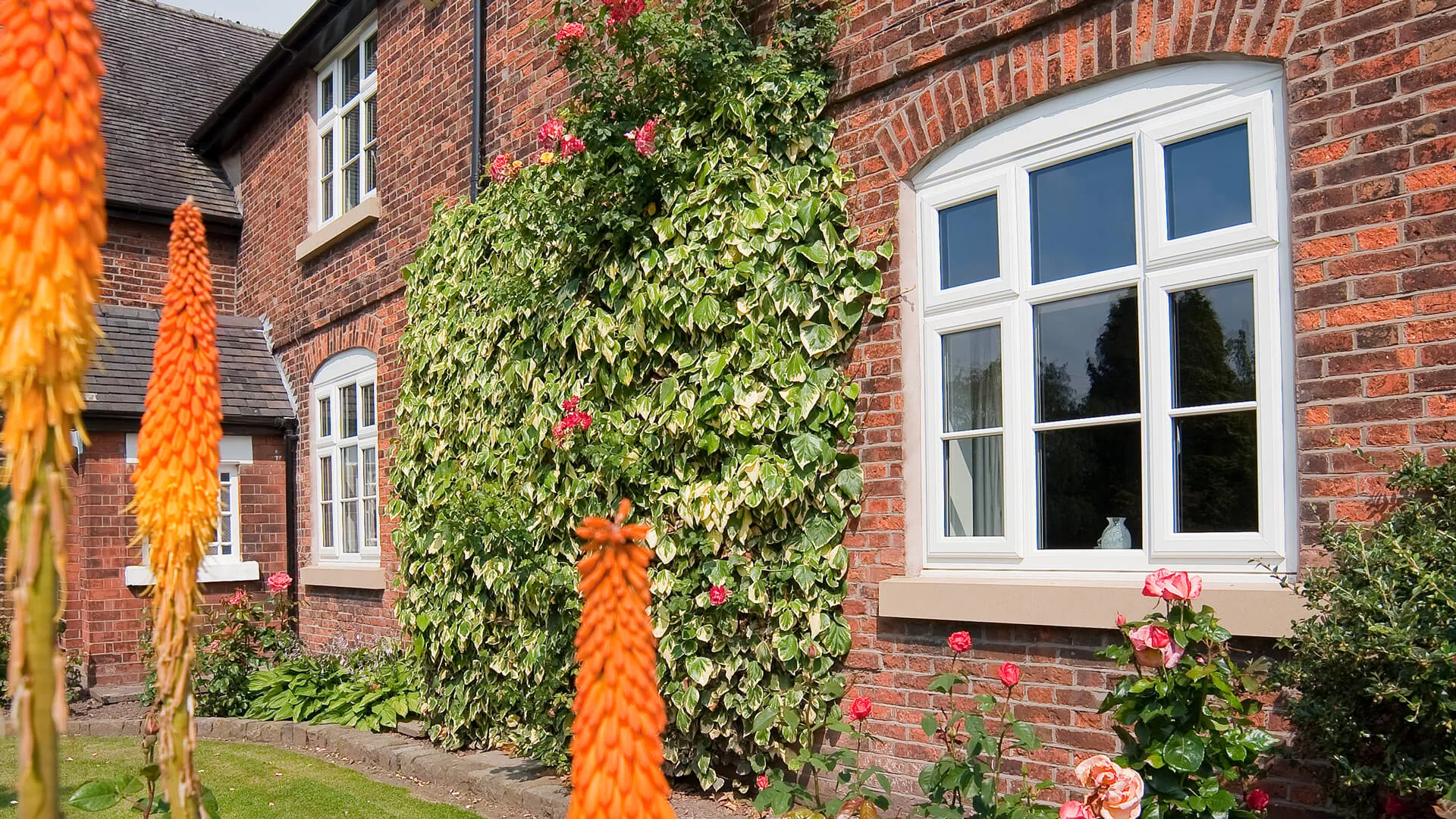
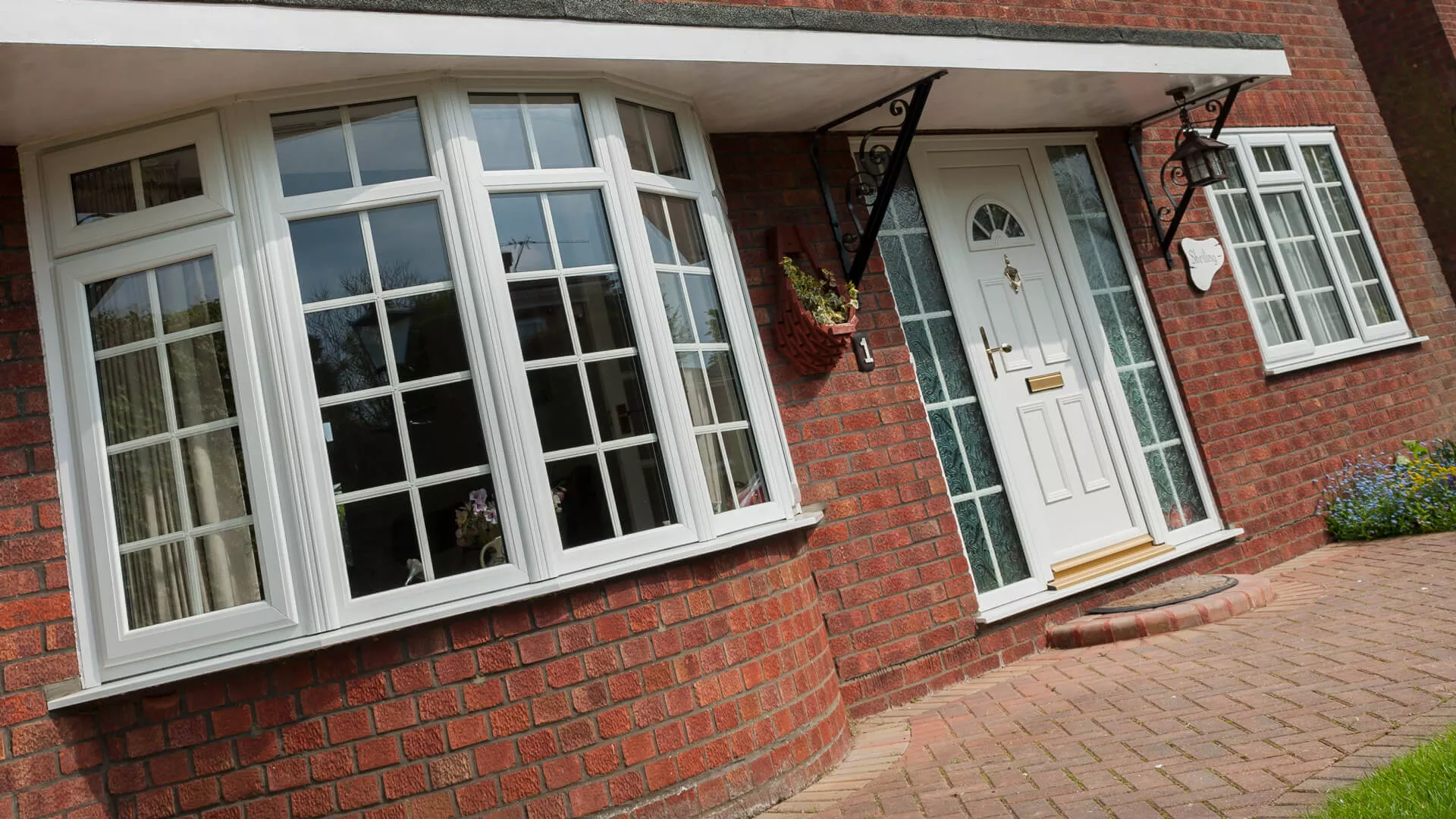
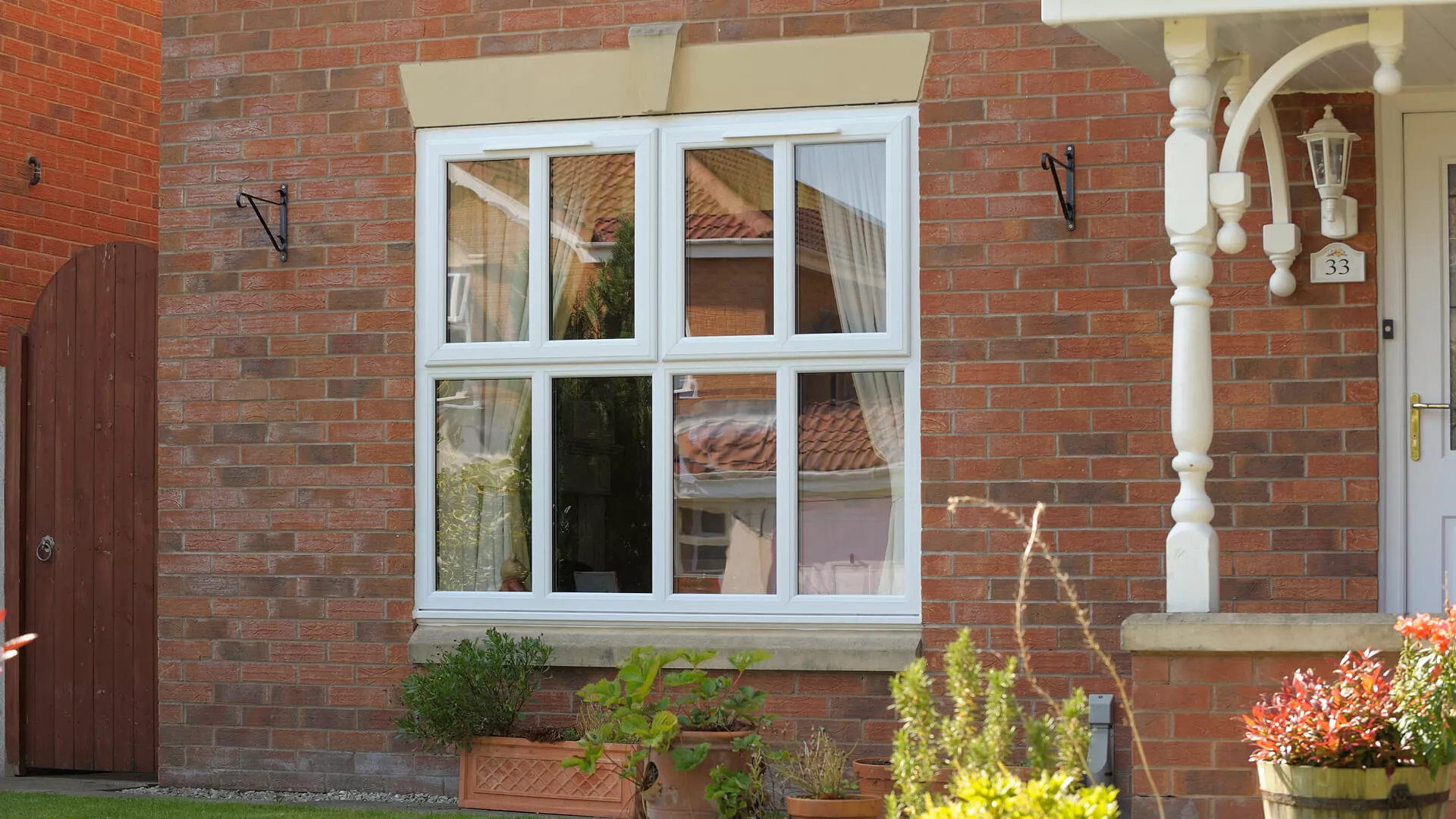
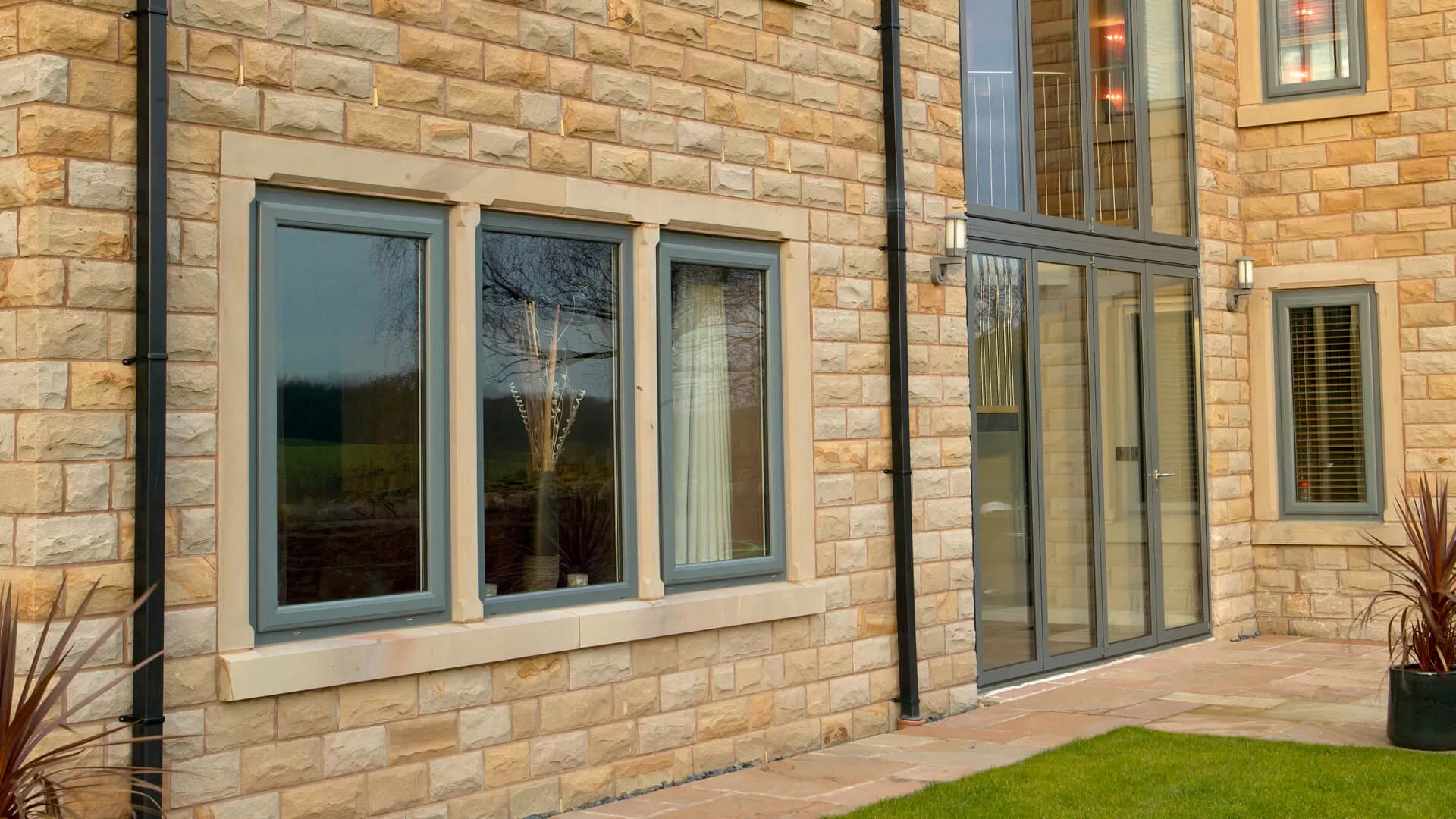
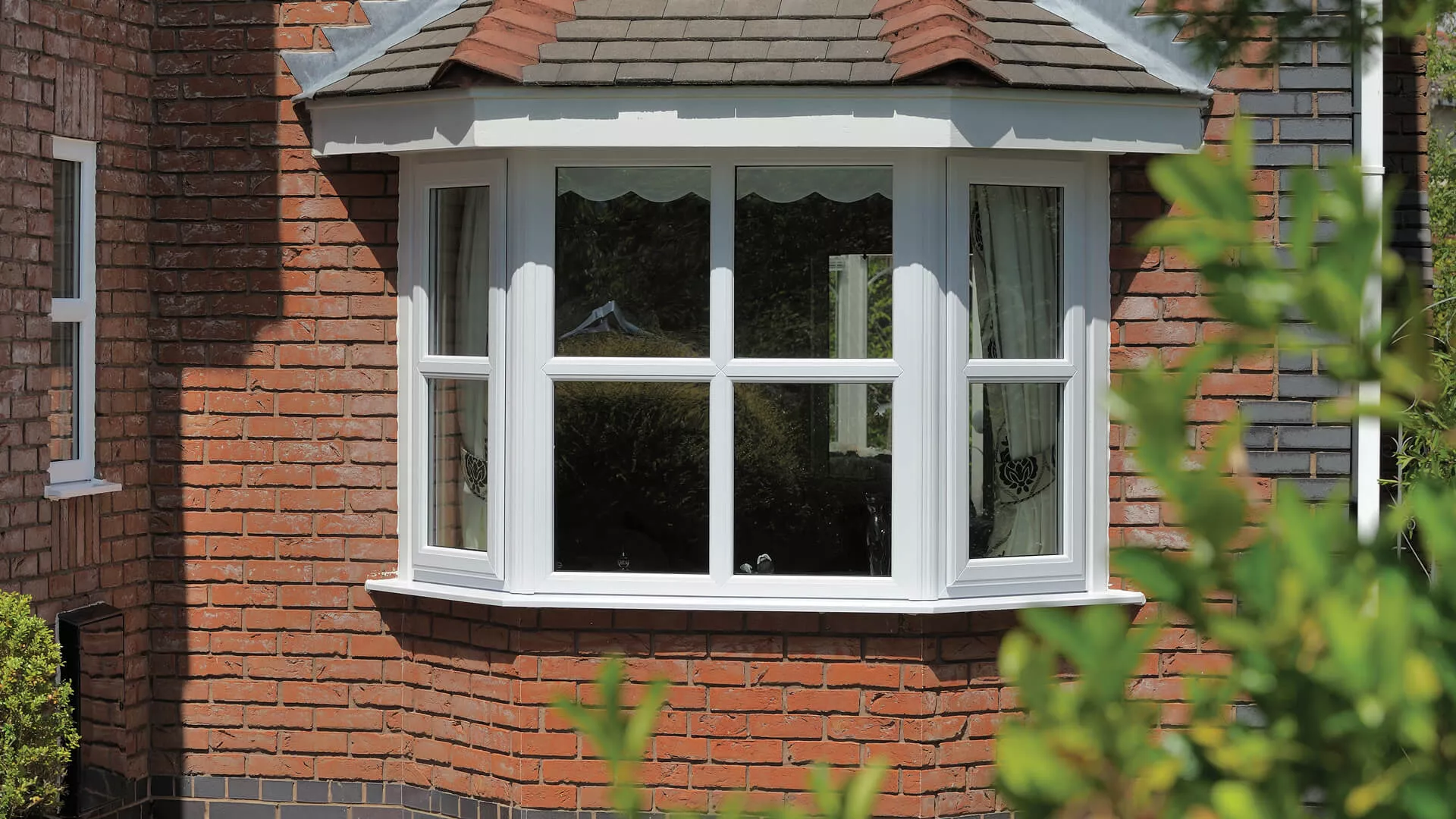
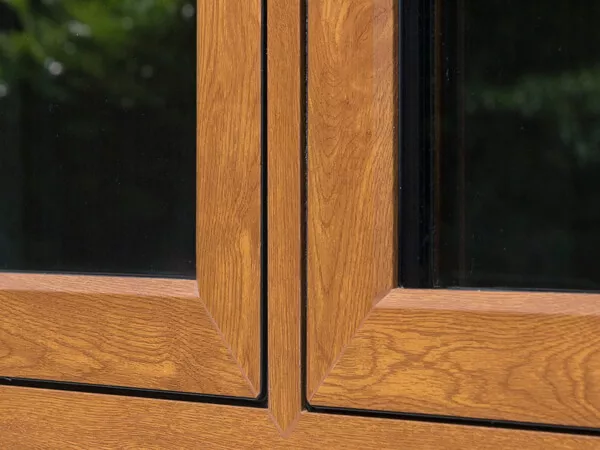
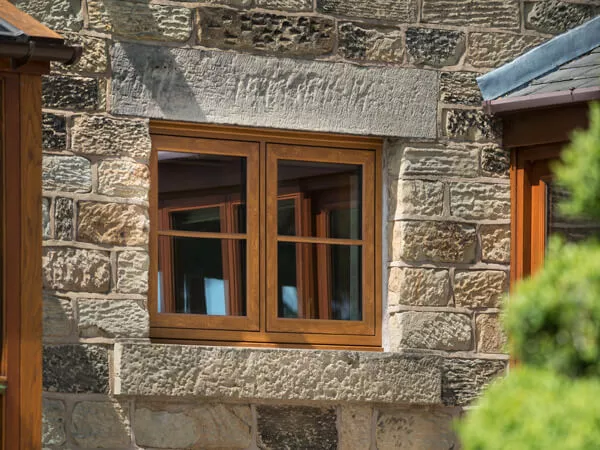
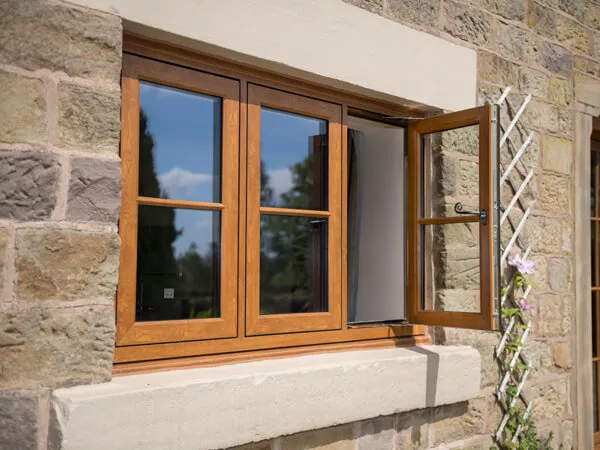
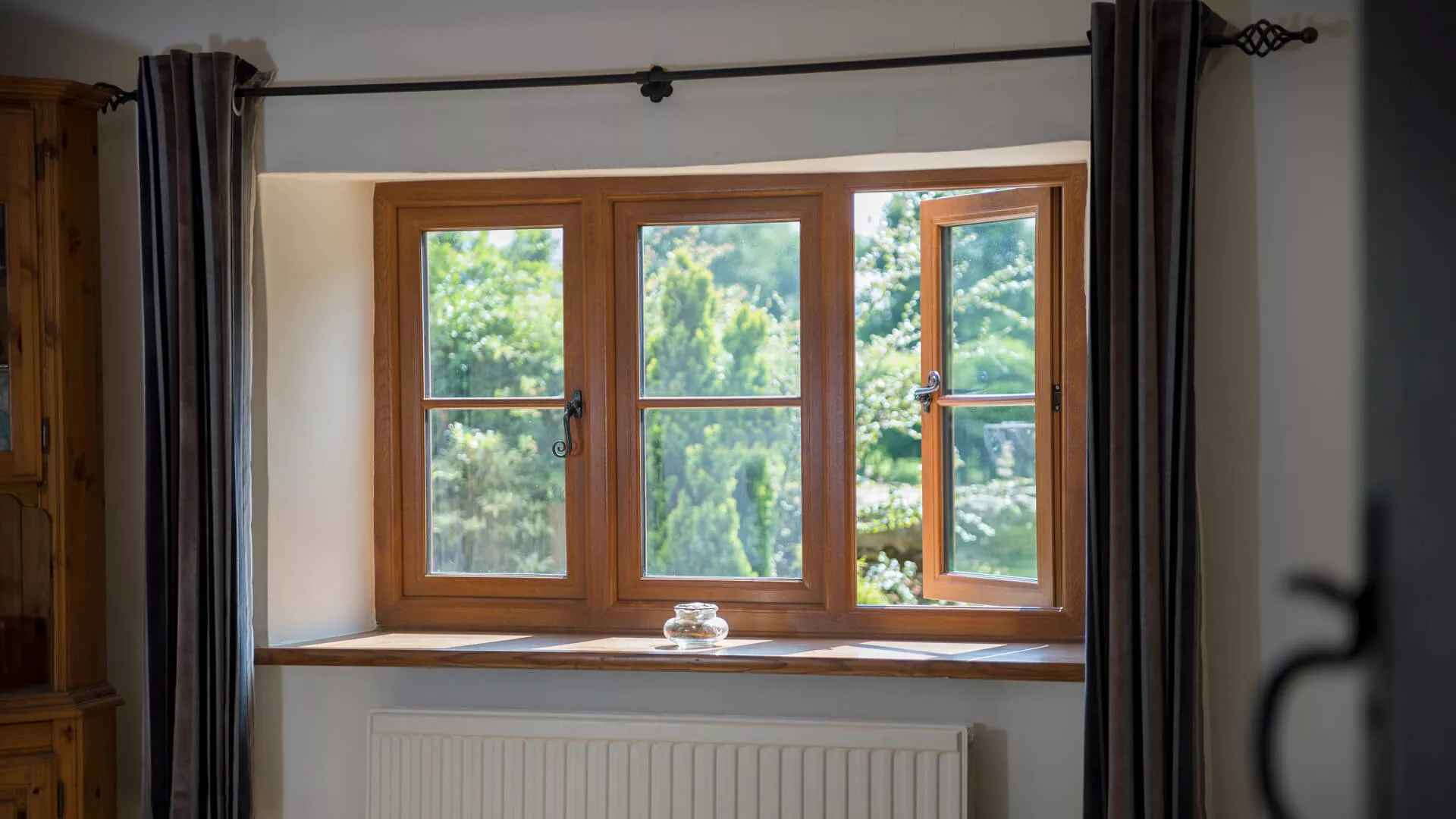
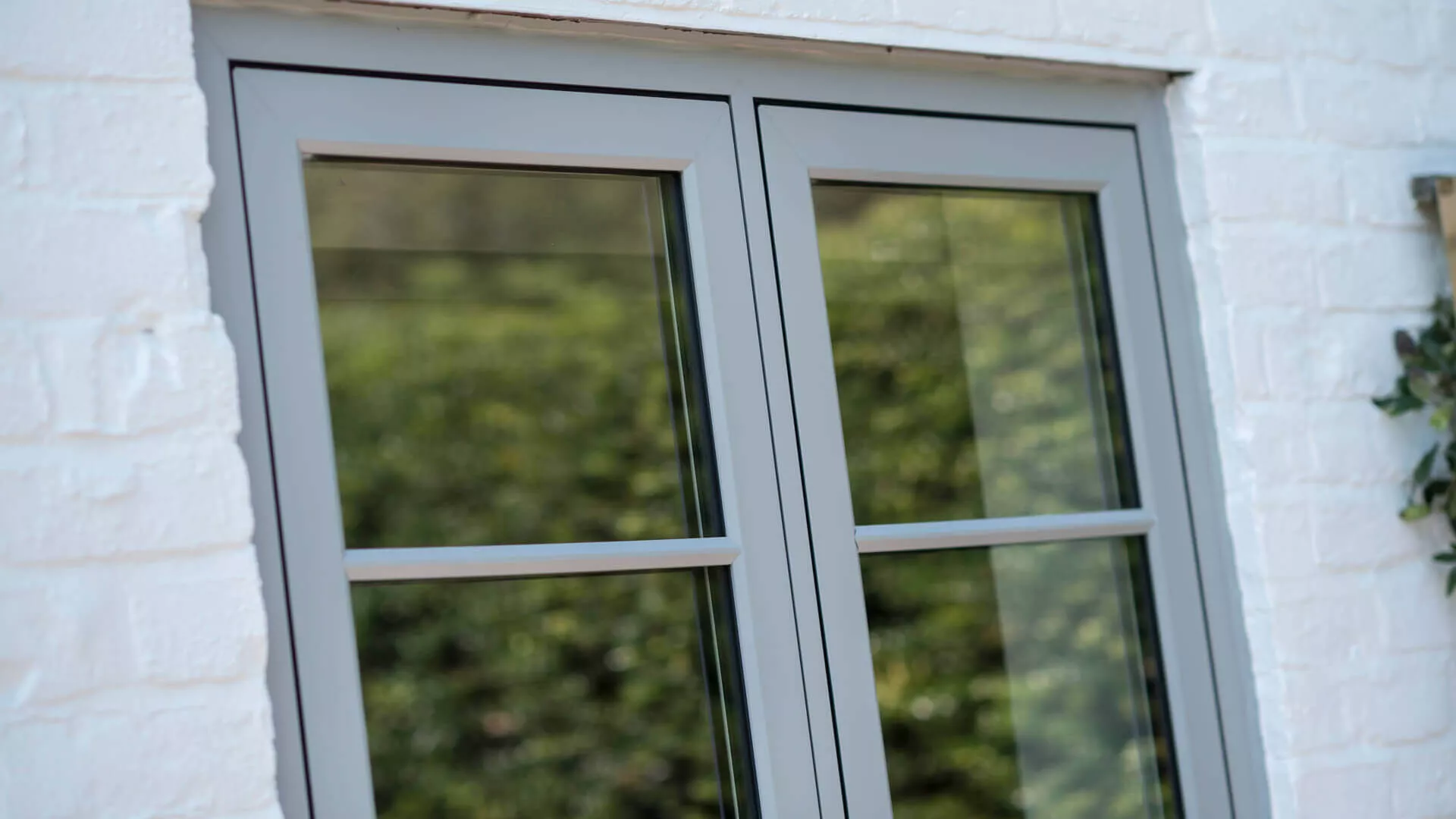
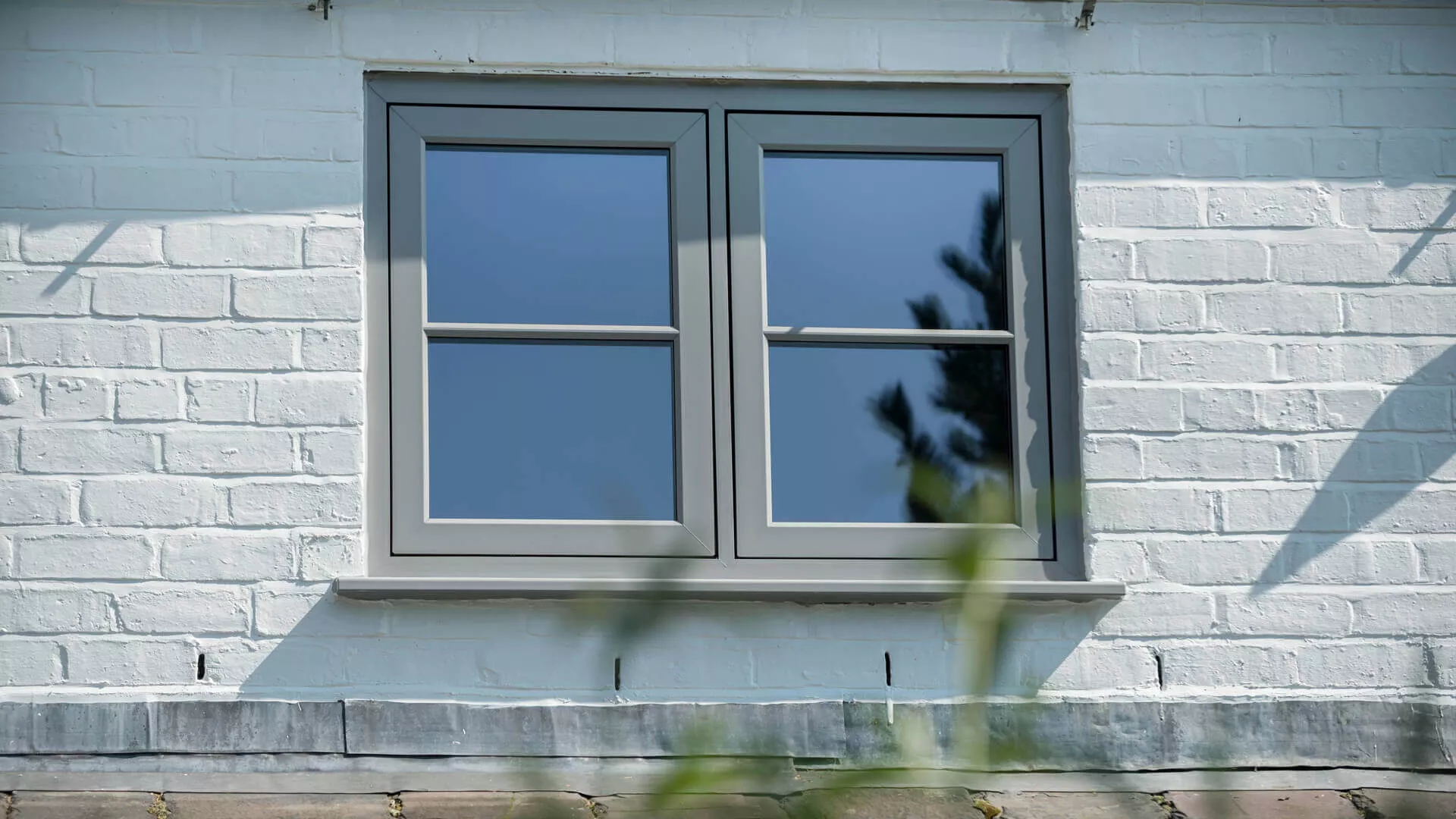
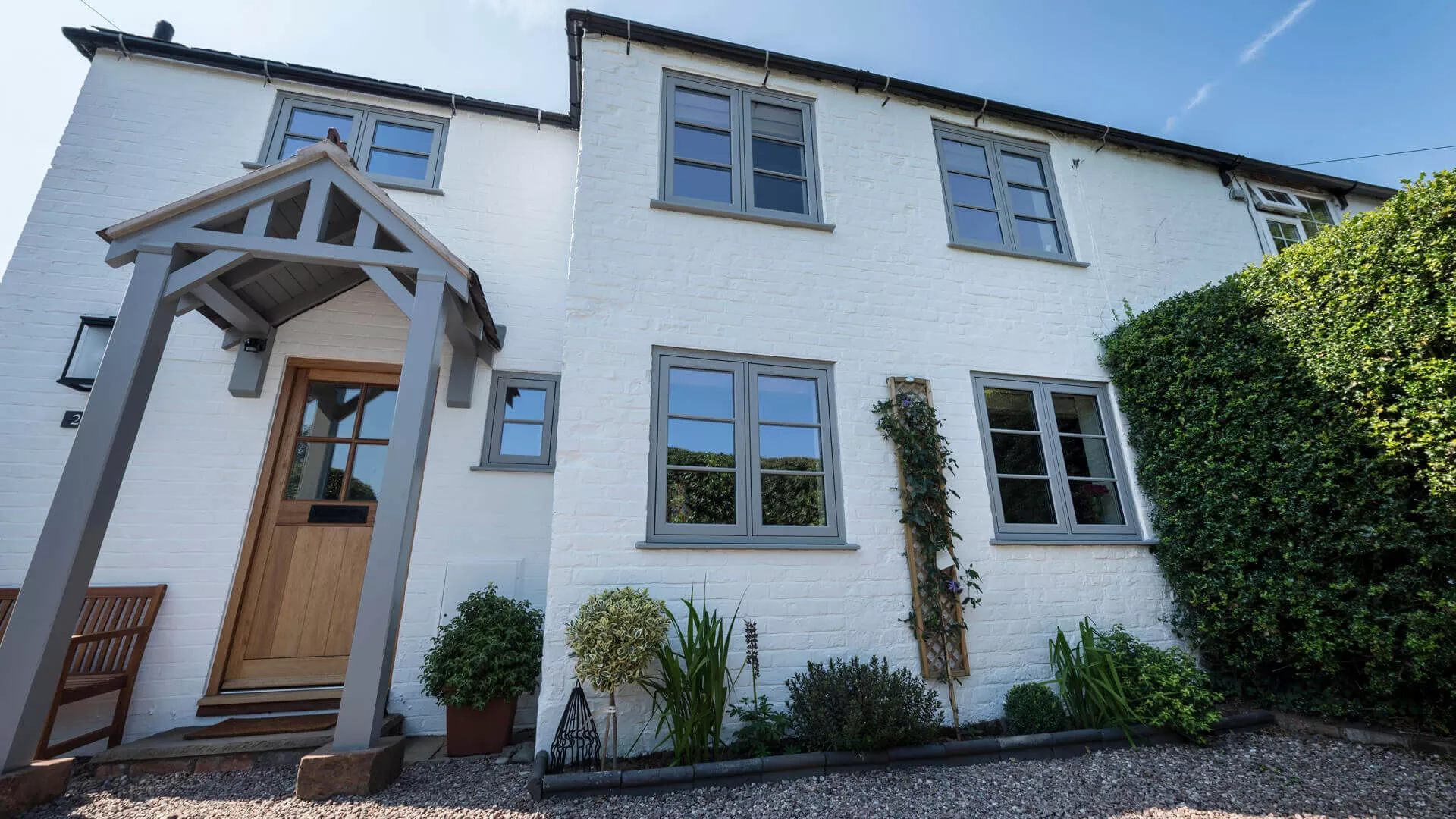
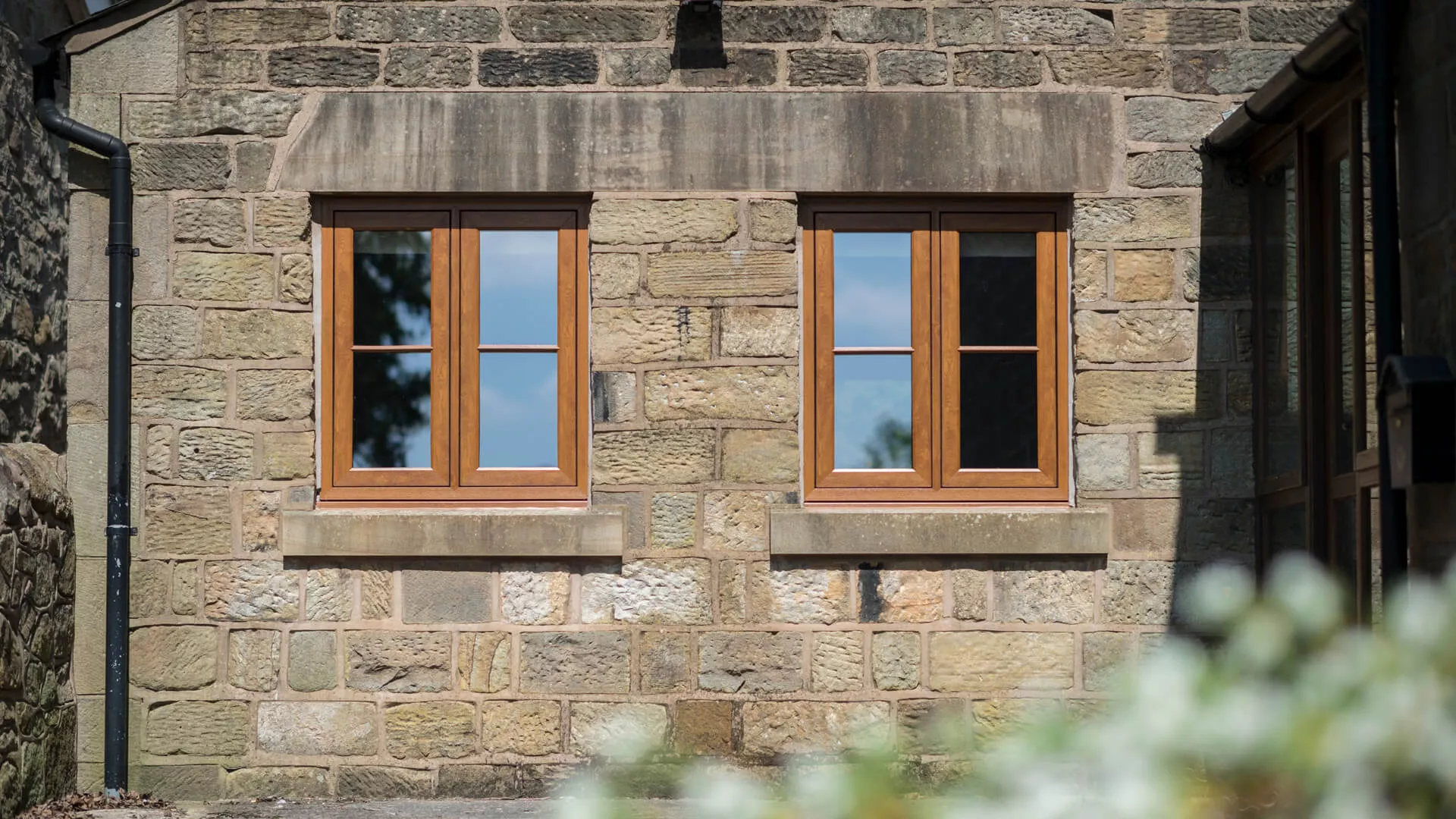
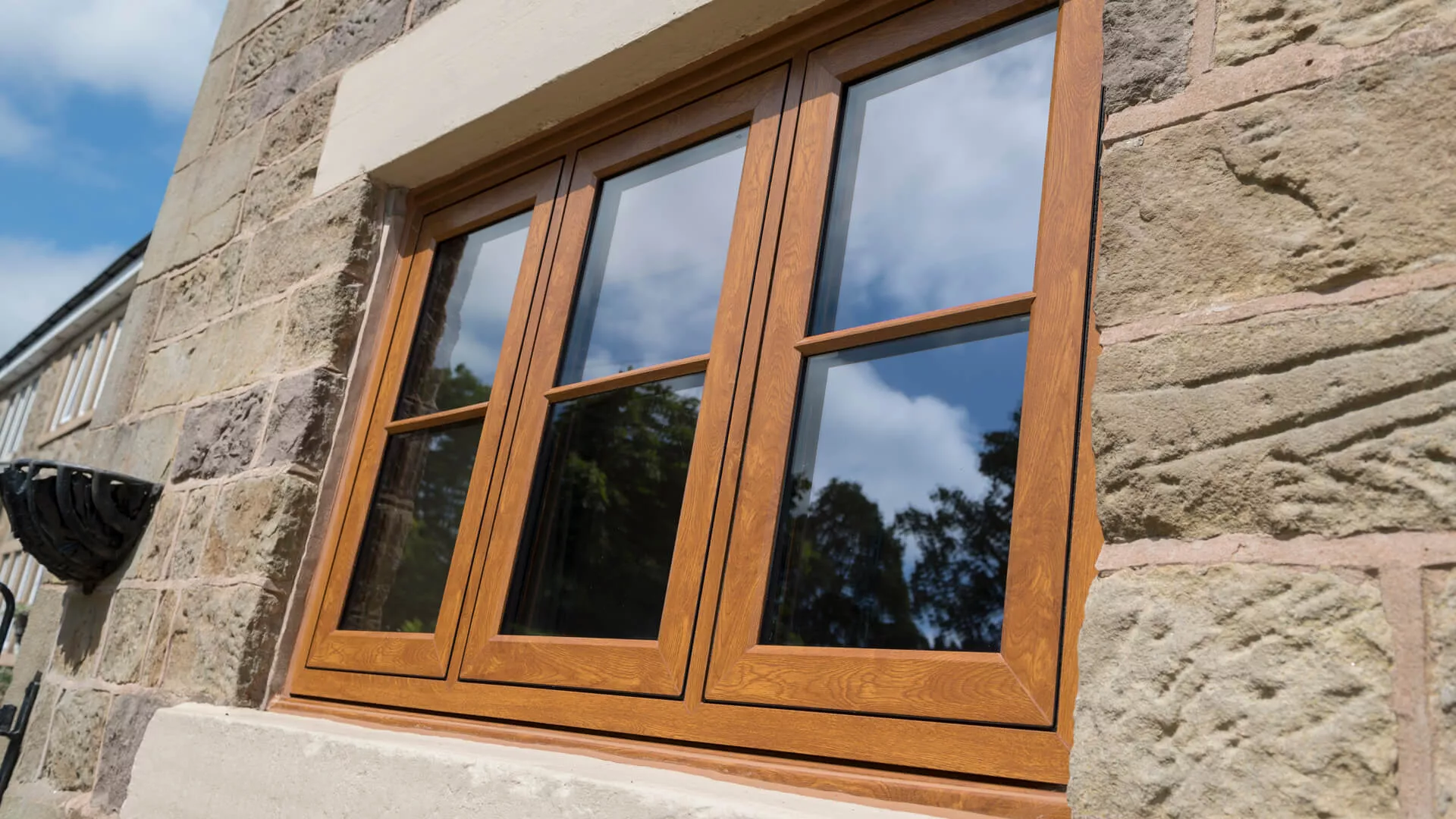
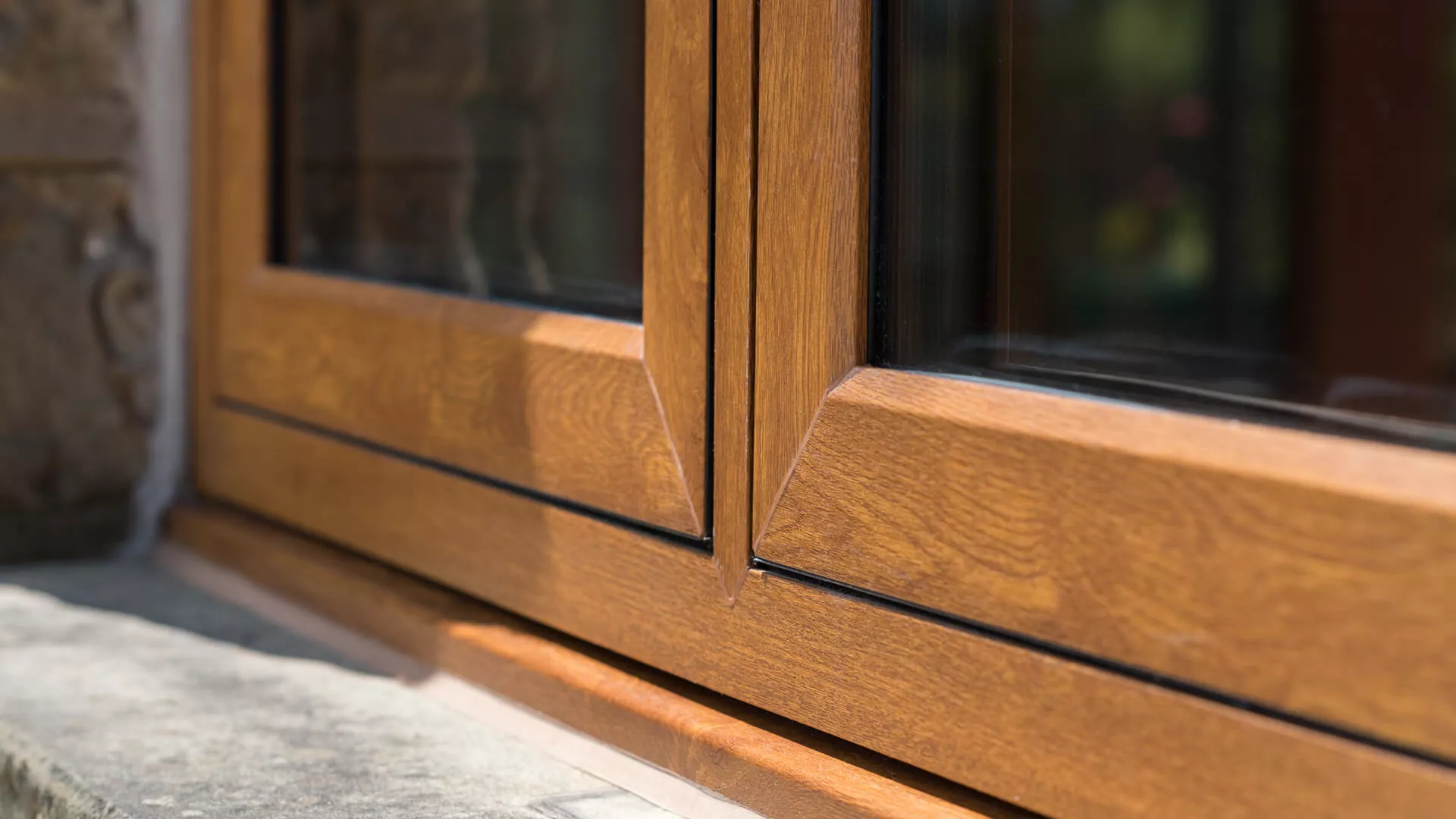
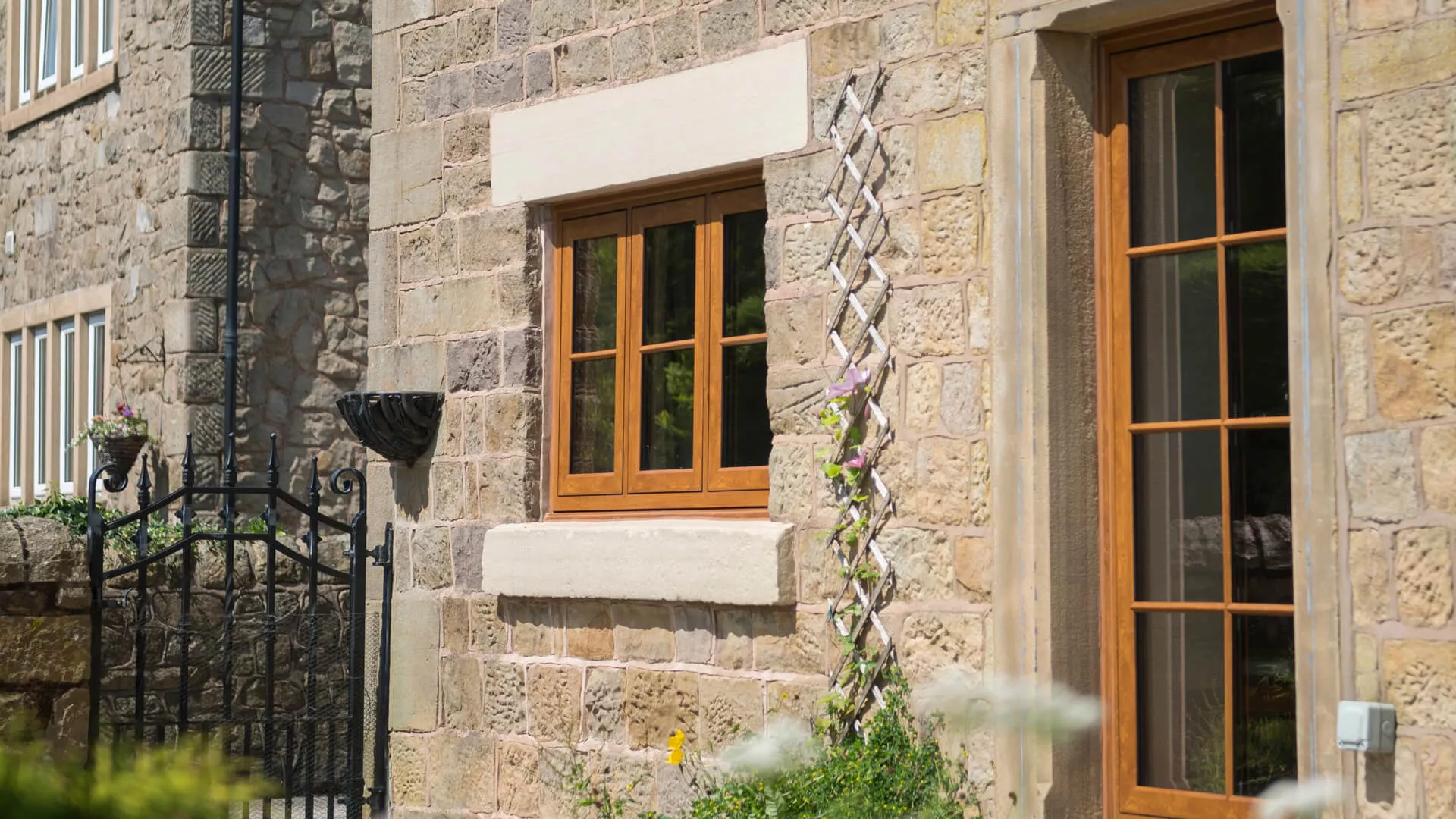
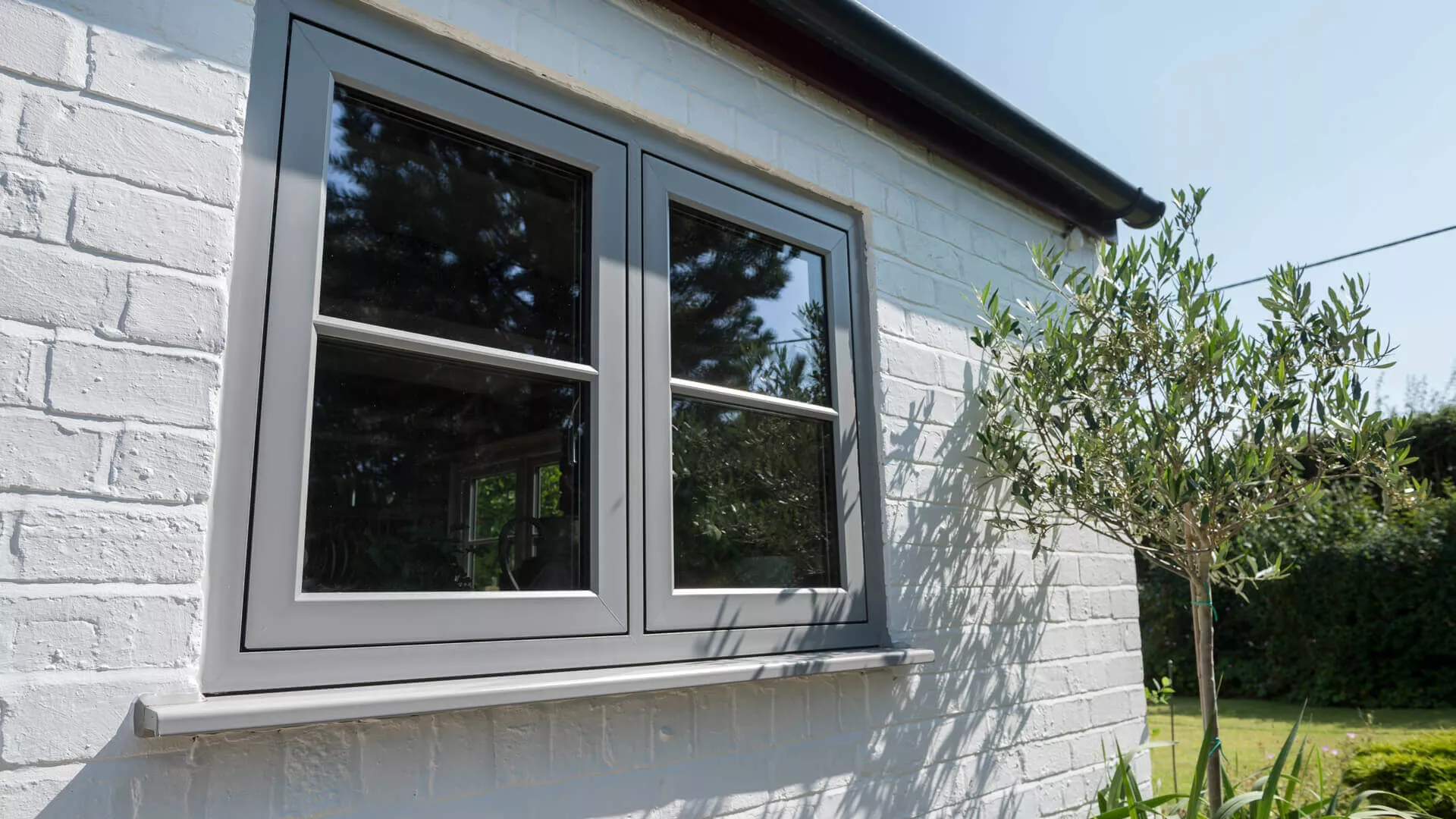
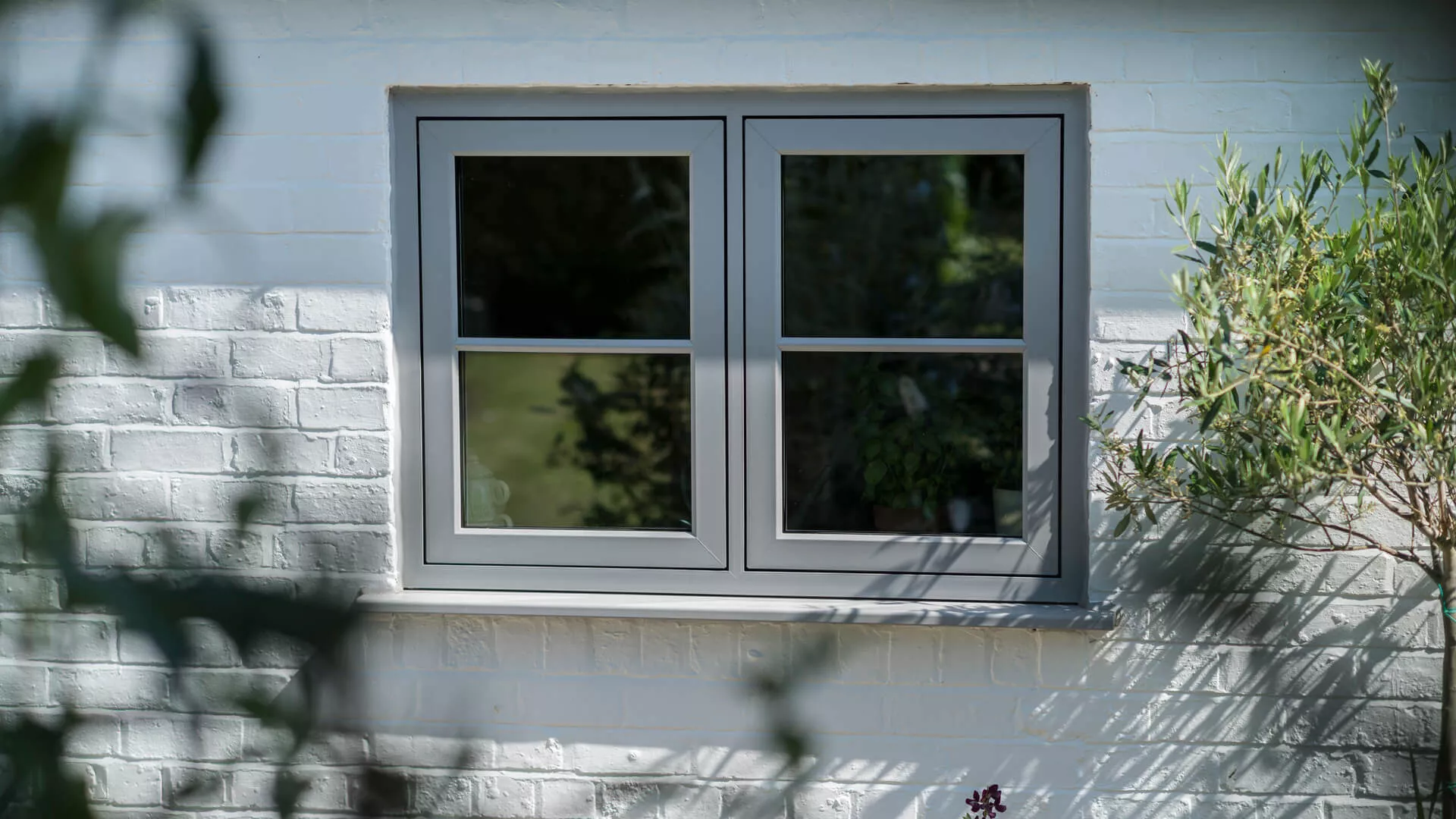
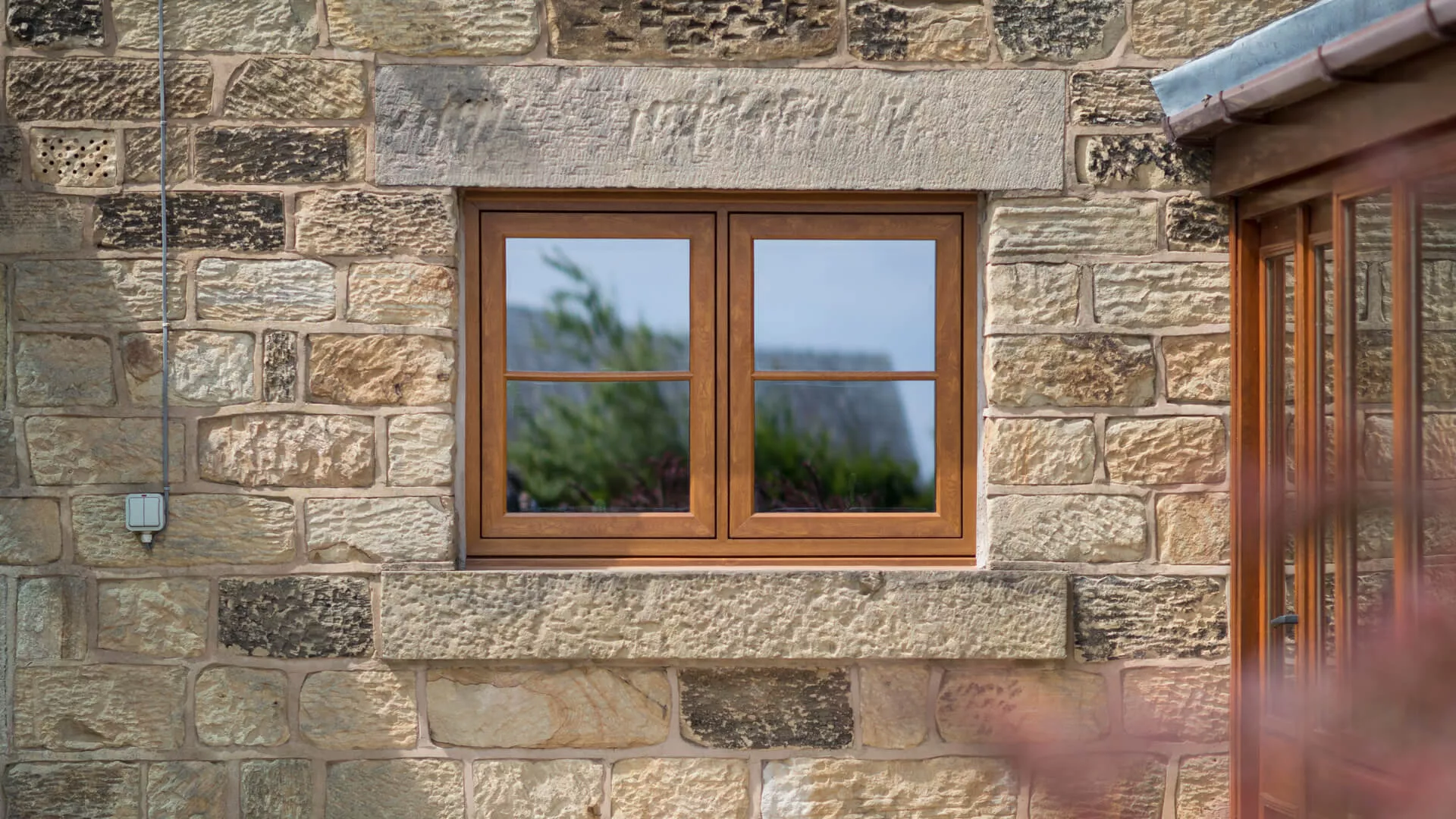
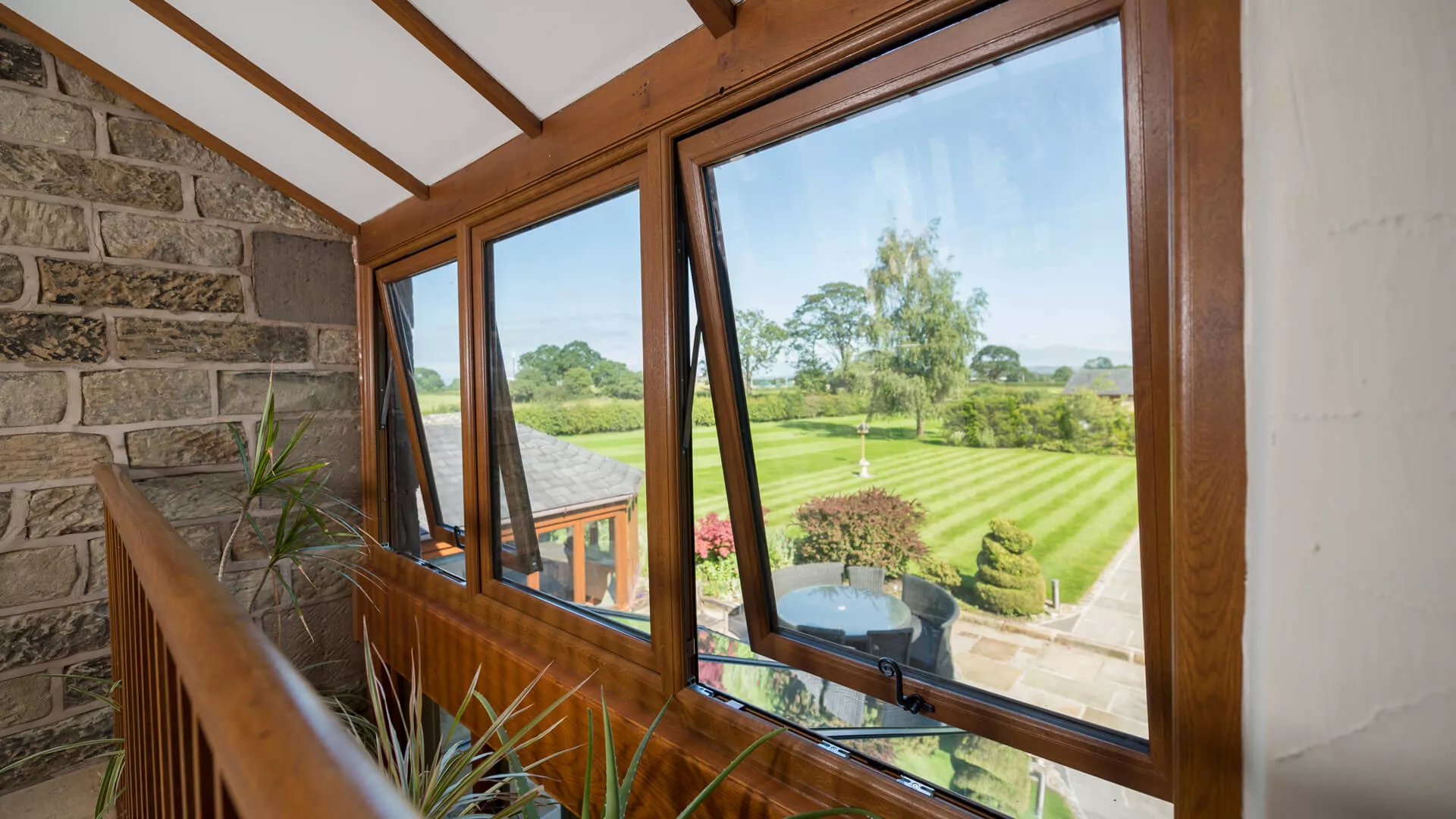
We have a fantastic range to choose from so whether it’s a modern style or traditional timber effect windows – we are confident that we will have windows to improve any home to give it the finished look with elegance.
LOOKING TO REPLACE YOUR WINDOWS?
We have a fantastic range to choose from so whether it’s a modern style or traditional timber effect windows – we are confident that we will have windows to improve any home to give it the finished look with elegance.
Request your free quote today!
Simply fill in your details for your free, no obligation quotation, and click "Get Quote"